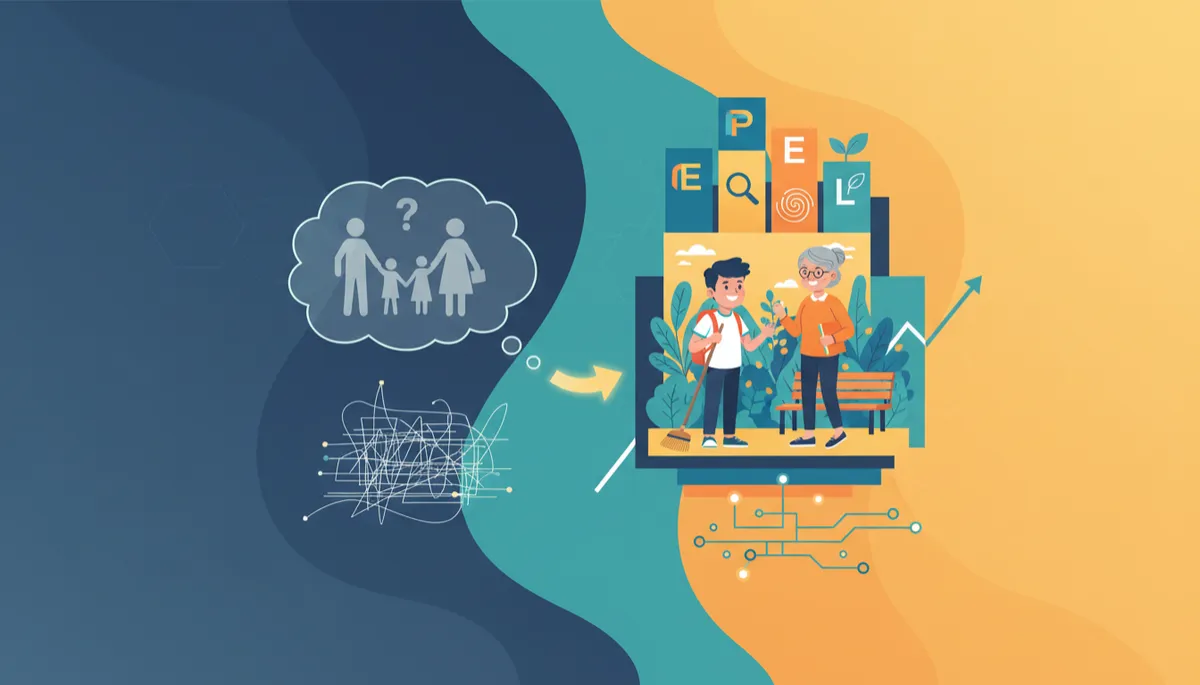
Master PSLE Oral Q2 with PEEL Framework
PSLE Oral, PEEL Framework, Q2 Personal Experience
PSLE Oral Q2 Personal Experience: PEEL Framework with Examples
By Hakim Harsono, Speak Easy — a practical guide to using the PSLE oral PEEL framework for Q2 personal experience, with clear AL3 vs AL1 examples parents and P6 students can copy and adapt.
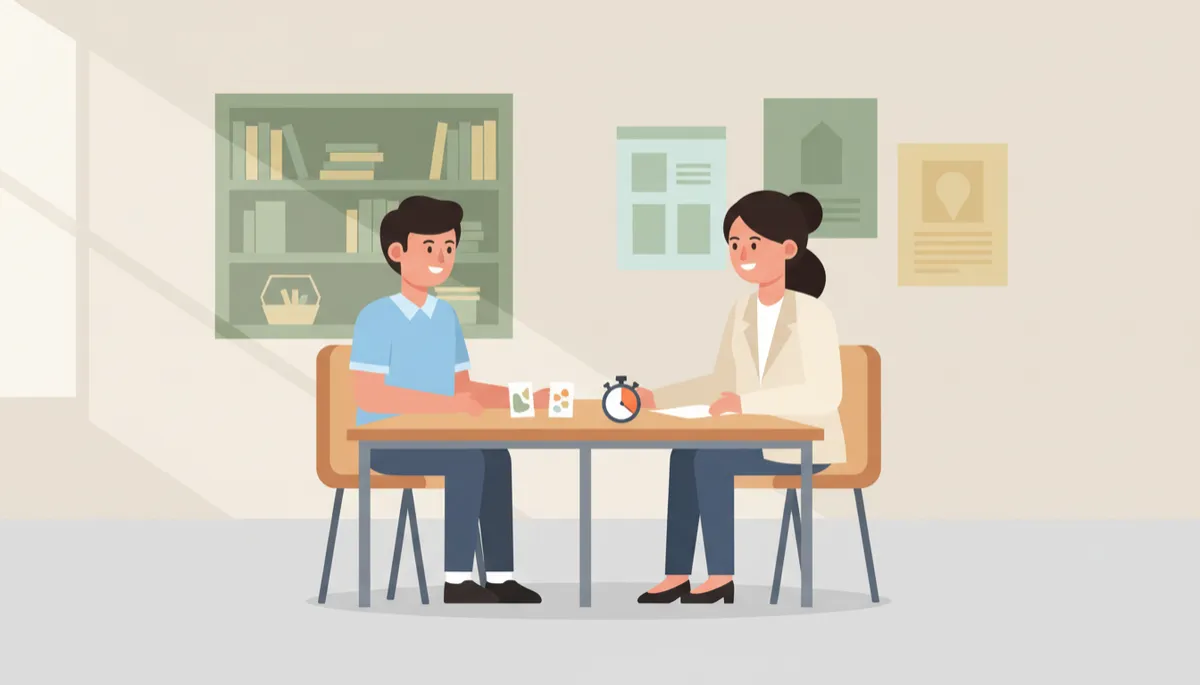
What PSLE Oral Q2 Really Asks For
PSLE oral Q2 personal experience is the follow-up question after the stimulus discussion. The examiner usually asks something like, “Tell me about a time…”, “Have you ever…”, or “What would you do if…”. The goal is simple: can your child share a clear, personal story that is relevant, detailed, and reflective?
Many students think Q2 is just chit-chat. It is not. It is assessed. The examiner is listening for structure, specific detail, and a meaningful takeaway. This is where the PSLE oral PEEL framework Q2 becomes powerful and easy to apply, even under stress.
Why Generic Answers Fail (And Hit an AL2 Ceiling)
Examiners hear the same answers all day: “My family always helps people.” “I like to help my neighbours.” These are generic. They have no names, no places, no time, no real feelings. At best, that sounds safe and polite, but it lacks depth. That is why such answers usually sit around the AL2 range, even if the child speaks fluently.
To reach AL1, the examiner must hear a real, specific moment. When there are no concrete details, the story feels made up on the spot. With detail, the examiner thinks, “This actually happened. This child is thinking, not memorising.” That shift from “generic” to “specific” is exactly what the PSLE oral Q2 personal experience is testing.
The PEEL Framework for PSLE Oral Q2 Personal Experience
Use this simple PEEL PSLE oral structure for every Q2 personal experience question. Think of it as four steps you can tick off in your head while you speak.
- P = Point — Directly answer the question in one clear sentence. No story yet, just your main idea.
- E = Example — Introduce ONE specific personal story with a real name, real place, and real time. Not “a friend”, but “my classmate Ravi at Tampines Hub last October”.
- E = Elaborate — Describe what happened step by step. Add what you saw, heard, and felt. This is where your answer becomes alive and memorable.
- L = Link — End by explaining what this taught you or how it changed you. This is the reflective extension that pushes your answer into AL1 territory.
AL3 vs AL1 Example 1: Family Theme
Question: “Tell me about a time your family helped someone.”
AL3 Answer (Generic, 2 Sentences)
My family likes to help people in need. For example, we sometimes donate clothes and money to charity when we have extra things.
AL1 Answer Using PEEL (5–6 Sentences, Specific)
P: One meaningful time my family helped someone was when we supported our elderly neighbour after she fell ill. E: Last June, during the school holidays, my parents and I visited Auntie Lim, who lives two doors away from us in Bedok North, because she had just come home from the hospital. E: I still remember the smell of the hot chicken porridge my mother cooked and how weak her voice sounded when she thanked us at the door. Over the next week, my father helped her buy groceries from the nearby NTUC, while I carried the bags and slowly walked beside her in case she felt dizzy. L: This experience taught me that helping family and neighbours does not always mean doing big things; even simple actions, done consistently, can make someone feel cared for and less lonely.
What Changed from AL3 to AL1?
- Point: The AL1 answer starts by directly answering with one clear situation, not a vague habit (“one meaningful time…”).
- Example: It adds real details: “last June”, “school holidays”, “Auntie Lim”, “Bedok North”.
- Elaborate: Step-by-step actions and sensory detail like the smell of porridge and the weak voice make the scene believable.
- Link: The answer ends with a clear lesson about small, consistent actions, not just “I felt happy”.
AL3 vs AL1 Example 2: Community Theme
Question: “Tell me about a time you did something for your neighbourhood.”
AL3 Answer (Generic, 2 Sentences)
I helped to keep my neighbourhood clean. Sometimes I pick up litter and throw it into the bin when I see rubbish on the floor.
AL1 Answer Using PEEL (5–6 Sentences, Specific)
P: One memorable time I did something for my neighbourhood was when I joined a block-cleaning activity. E: In March this year, my friend Ravi and I volunteered for a Sunday morning “Clean-Up Day” organised by our Residents’ Committee at the playground near Tampines Hub. E: The air was already hot and sticky at 9 a.m., and I could hear the clinking of tongs and plastic bags as we picked up crushed drink cans and cigarette butts from the grass. At first, I felt a bit embarrassed walking around in the bright orange vest, but when a jogger smiled and thanked us, I suddenly felt proud of our estate. L: That experience showed me that even students can take the lead in caring for our environment, and now I am more willing to join future events instead of just complaining that the place is dirty.
What Changed from AL3 to AL1?
- Point: The AL1 answer picks one specific event, not a general habit, and states it clearly in the first sentence.
- Example: It includes a real person, place, and time: Ravi, Residents’ Committee, Tampines Hub, March this year.
- Elaborate: Sensory details (heat, sounds, objects) and honest feelings (embarrassed, then proud) make the story stand out from memorised scripts.
- Link: The reflection connects back to the neighbourhood theme and shows a change in attitude, which examiners reward.
Next Step: Practise PEEL the Smart Way
To master the PSLE oral PEEL framework for Q2, do not memorise full essays. Instead, list three to five real experiences for common themes like family, school, and community. For each one, jot down your PEEL: one sentence for the Point, one line for the Example details, two lines for Elaborate, and one line for Link. Then say them out loud until the structure feels natural.
If you want more guided PEEL PSLE oral examples, model answers, and live practice with feedback, visit hakimharsono.com/start to see how Speak Easy can support your child towards an AL1 in PSLE oral Q2 personal experience.
