Is PSLE Oral Coaching Worth It? Key Questions Answered
Education, PSLE Oral Coaching Singapore
Is PSLE Oral Coaching Worth It? 3 Questions Every Singapore Parent Asks (Answered)
If you’re a Singapore parent with a P4, P5 or P6 child, you’ve probably wondered whether PSLE oral coaching is really necessary. You want your child to do well, but you also don’t want to waste time or money. This warm, practical guide walks you through the three biggest questions parents ask about PSLE English oral preparation—so you can decide with confidence, not fear or pressure.
Why Parents Hesitate About PSLE Oral Coaching (And Why You’re Not Alone)
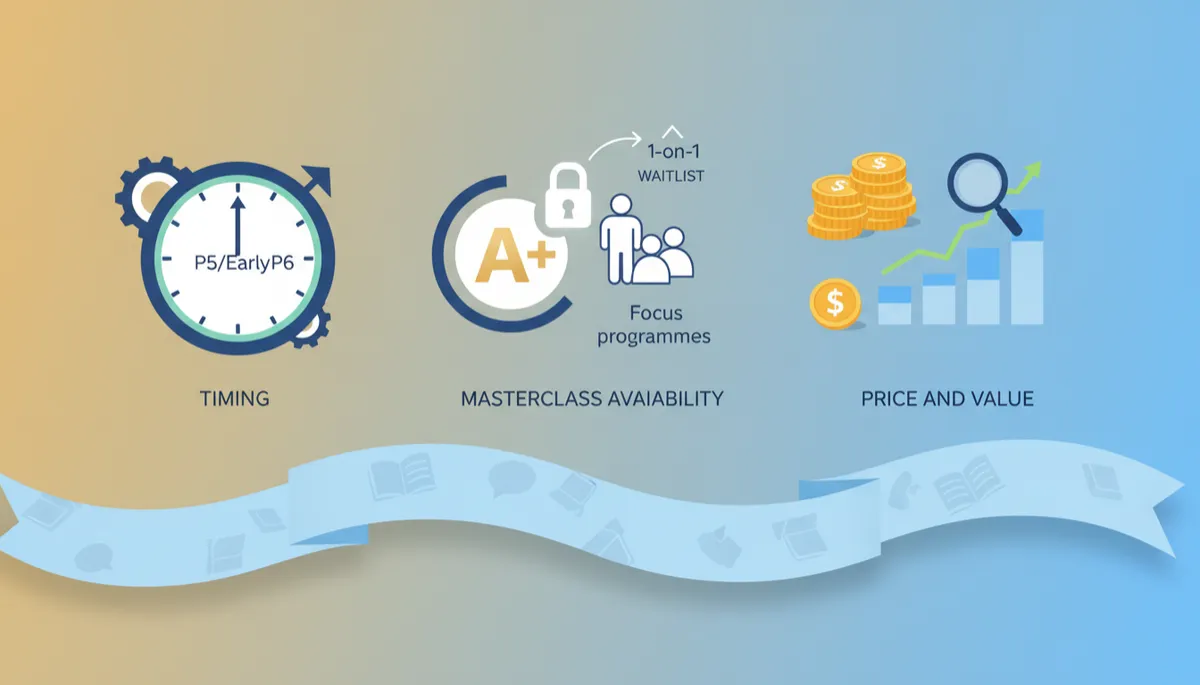
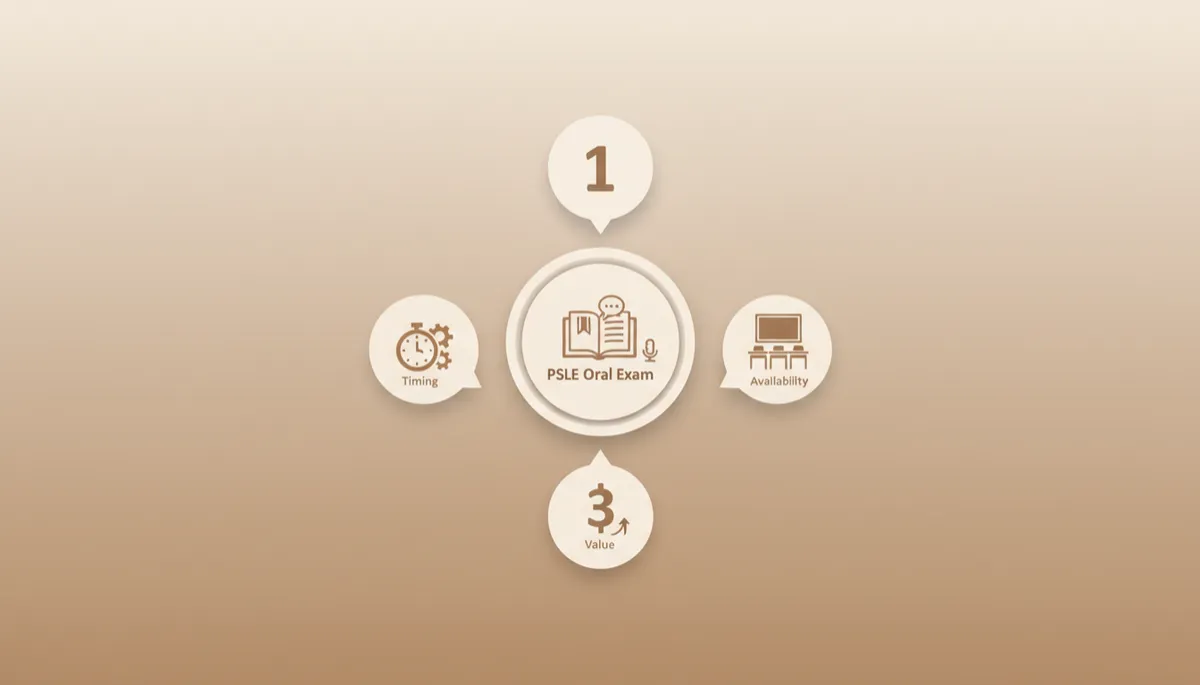
Almost every parent who reaches out for PSLE oral coaching Singapore shares the same three concerns:
- Timing: “It’s not the right time yet. Maybe we’ll consider nearer to PSLE.”
- Availability: “The Masterclass dates I want are full. Should we just skip it?”
- Price: “S$2,000 for 1‑on‑1 PSLE oral tuition sounds expensive. Is it really worth it?”
These are smart, responsible questions. As a parent, you’re juggling school fees, enrichment classes, CCA, and your child’s mental well-being. You deserve a clear, honest answer—especially when it comes to something as important as AL1 oral preparation for the PSLE English oral exam.
Question 1: “Is It Too Early? We’ll Consider PSLE Oral Coaching Later.”
This is the number one hesitation. Many parents assume that P6 oral coaching only needs to start a few months before PSLE. On paper, that sounds logical. In reality, delaying PSLE English oral preparation often becomes a costly mistake—both in marks and in stress levels at home.
Why Delaying Oral Prep Costs Your Child Marks
The PSLE oral exam is not just about reading a passage and answering a simple question. MOE’s oral component tests your child’s fluency, pronunciation, vocabulary, inference skills, and ability to express personal opinions clearly. These are habits built over months, not days. Platforms like KiasuParents and MOE resources consistently highlight the need for regular practice, not last‑minute cramming, for oral skills to stick (MOE, KiasuParents, 2026).
The Ideal Start Window: P5 or Early P6 (Not After Prelims)
Based on real parent and student journeys across multiple centres and platforms, the sweet spot to begin structured PSLE oral coaching Singapore is:
- Late P4 to P5: Best for shy or quieter children who need more time to open up and practise speaking confidently.
- P5 to early P6: Ideal for building strong reading‑aloud technique, stimulus‑based conversation structure, and exam stamina.
When students start during this window, coaches can slowly layer skills: pronunciation first, then expression, then content depth, and finally exam‑style mock practice. This is how children move from one‑line answers to thoughtful, AL1‑level responses without feeling overwhelmed.
The Hidden Problem with “We’ll Start After EOY”
Many parents plan to “focus on oral after the End‑of‑Year exams” in P5 or only after P6 CA/Prelims. The intention is good—but here’s what usually happens:
- By then, slots for quality PSLE oral specialists in Singapore are already full.
- Your child is juggling revision for all subjects, not just English. Energy and focus are limited.
- Stress levels at home rise, and oral practice becomes another source of conflict instead of confidence.
By contrast, parents who start earlier consistently report that their children become calmer, more expressive, and more willing to speak up—both in class and at home. Testimonials from centres like Discovering Potential and Zespa Learning show students improving oral grades by 2 bands or more when they have enough runway to practise under guidance (DiscoveringPotential.com.sg; ZespaLearning.com, 2026).
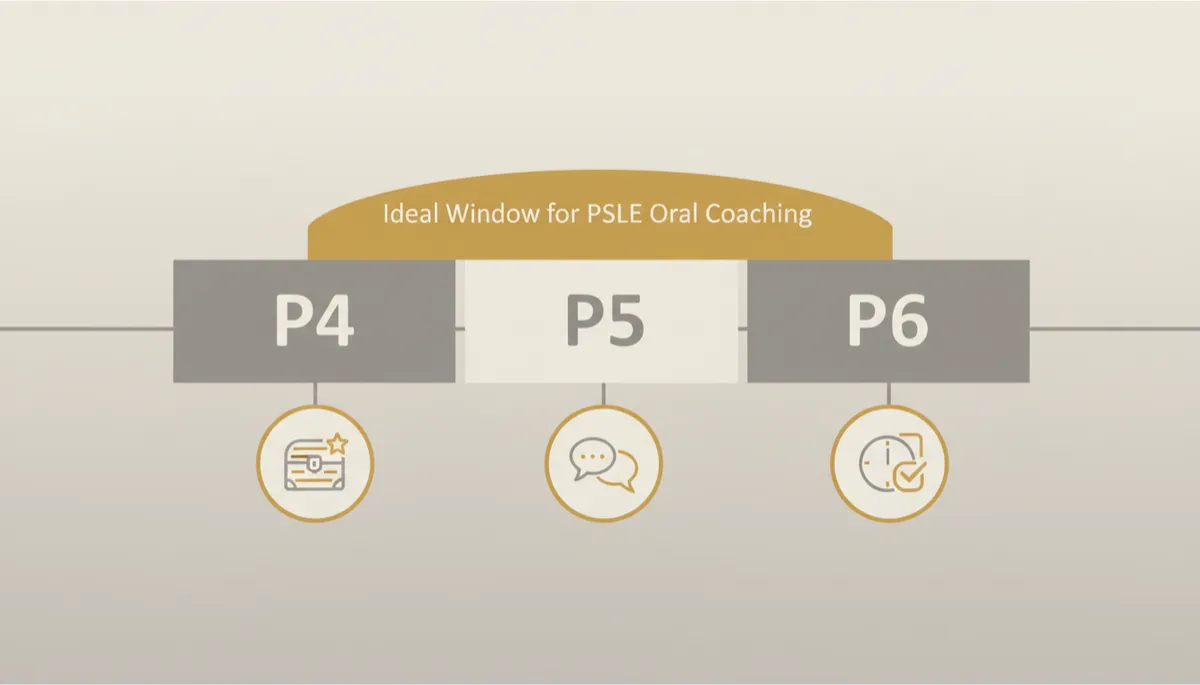
Starting PSLE oral preparation by P5 gives space for habits, not panic, to form.
Question 2: “The Masterclass Is Full. Should We Just Wait for Next Year?”
Another common frustration: you finally decide to act, only to discover that the PSLE Oral Masterclass you want is fully booked or already over. It’s disappointing, but it doesn’t mean your child has missed their chance. What matters most is not the label “Masterclass”, but the skills and support your child receives.
What a Strong PSLE Oral Masterclass Usually Covers
Whether it’s called “A for Oral”, “Oral Intensive”, or “Masterclass”, the most effective programmes tend to include:
- Reading Aloud Techniques: Pausing, intonation, emphasis, and clear pronunciation for tricky words.
- Stimulus‑Based Conversation Frameworks: For example, a 4‑step method to move from describing the picture to sharing personal opinions and suggestions.
- Topical Exposure: Common PSLE themes like healthy living, community, school life, technology and the environment (as highlighted by KiasuParents and other parent forums).
- Mock Oral Exams: Simulated exam conditions with personalised feedback so your child knows exactly what to improve.
In other words, a Masterclass is a concentrated dose of expert feedback, proven strategies, and confidence‑building practice. If the specific dates you want are closed, the key is to look for programmes that deliver the same outcomes through different formats.
Advantage (1‑on‑1) vs Focus (Group): Two Powerful Alternatives
When Masterclass slots are full, parents are usually offered two main alternatives: an Advantage 1‑on‑1 programme and a Focus small‑group programme. Both can be highly effective, depending on your child’s personality and current level.
- Advantage (1‑on‑1 Coaching): Ideal for children who are very shy, far behind, or aiming to push from AL2/3 to AL1. Every minute is spent on your child’s voice, mistakes, and improvement. This mirrors the personalised coaching style seen in centres like Discovering Potential, where students have jumped two oral grades after targeted sessions (DiscoveringPotential.com.sg, 2026).
- Focus (Small‑Group Coaching): Great for children who benefit from peer learning and enjoy discussion. They hear examples from classmates, learn what examiners like and dislike, and still receive individual feedback because groups are kept small—typically 3–6 students, not 15–20 like generic tuition classes.
From a skills perspective, both programmes can cover the same AL1 frameworks as a Masterclass: reading techniques, structured answering, and mock exams. The difference lies in pace and personal attention, not in quality of content.
How to Secure a Slot or Join the Waitlist (Without Waiting Forever)
If the Masterclass you want is closed, here’s a practical approach:
- Get on the official waitlist immediately. Families do reschedule due to travel or illness. Being first in line gives you the best chance of taking over a vacated slot.
- Secure an Advantage or Focus slot now. Treat this as your “main safety net”. If a Masterclass place opens later, you can always discuss upgrading or adjusting dates with the centre.
- Supplement with home practice or AI tools. Platforms like PSLEPrep show that even self‑practice with encouraging feedback can significantly boost confidence in just a few weeks (PSLEPrep.sg, 2026). Your coach can recommend specific prompts or recordings to focus on between sessions.
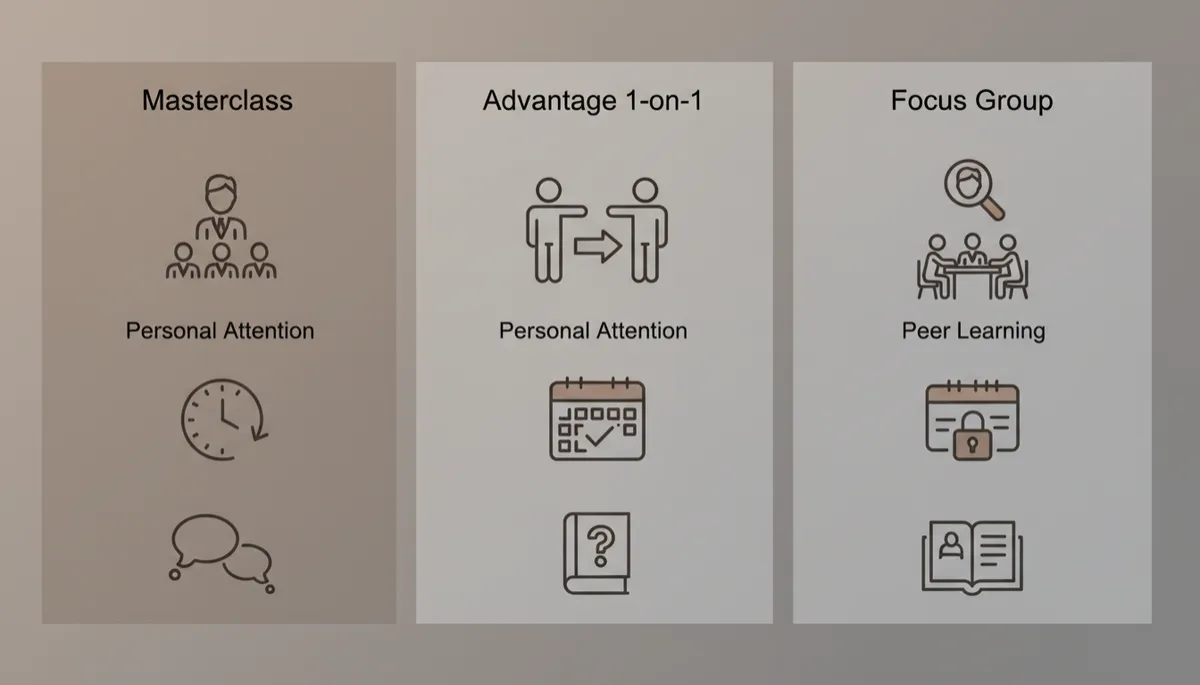
Different PSLE oral formats, same goal: clear, confident AL1-level speaking.
Question 3: “S$2,000 for 1‑on‑1 Coaching Is So High. Is It Really Worth It?”
Let’s address the elephant in the room. A S$2,000 investment in 1‑on‑1 PSLE oral coaching sounds like a lot at first glance. As a parent, you need to know exactly what you’re paying for, how it compares to other options, and what realistic outcomes look like.
What’s Actually Included in the S$2,000 Programme?
A typical high‑end 1‑on‑1 PSLE oral specialist Singapore package at S$2,000 usually includes:
- 5 fully customised sessions of 1.5 hours each (total 7.5 hours of face‑to‑face coaching).
- Pre‑programme diagnostic to identify your child’s exact gaps in reading, vocabulary, content depth and confidence.
- AL1 Improvement Framework tailored to your child, including model answers, vocabulary banks, and question prompts aligned with current PSLE trends.
- Mock exams with examiner‑style scoring and detailed feedback after each session—so you and your child can see concrete progress.
- Between‑session support such as recorded practice tasks or short check‑ins, so your child doesn’t “forget” everything between lessons.
In other words, you are not just buying 7.5 hours of someone’s time. You’re investing in a structured, end‑to‑end system designed to move your child toward AL1, not simply “improve a bit”.
The AL1 Improvement Framework: How Results Are Built, Not Hoped For
While each specialist has their own method, a solid AL1 framework typically follows this sequence:
- Awareness: Your child listens to their own recorded responses and compares them with AL1 samples, so they can “hear” the gap for themselves (a strategy also used by centres like Eduprime and PSLEPrep’s AI feedback tools).
- Structure: They learn simple, repeatable templates—for example, Point → Reason → Example → Personal Opinion—to avoid one‑line answers and awkward silence.
- Language Upgrade: Coaches help them replace basic words with richer phrases, build topic‑specific vocabulary, and use linking phrases to sound more fluent and mature.
- Confidence & Stamina: Through repeated mock orals, exam conditions feel familiar. Students who used to freeze now speak steadily and naturally—something many parents in 2026 testimonials highlight as the biggest change.
Cost‑Per‑Session: How Does S$2,000 Compare to Generic Tuition?
Using 2026 market data, typical private 1‑to‑1 oral tuition in Singapore ranges from about S$60–80 per hour, while general 1‑to‑1 tuition can range from S$25–80 per hour depending on the tutor’s background (psleprep.sg; tutormeet.app, 2026). Group oral classes often cost S$150–350 per month but give each child very limited speaking time.
At S$2,000 for 7.5 hours of highly specialised 1‑on‑1 coaching, the effective rate is about S$266 per hour. That’s clearly above the average—but you’re not comparing like for like:
- Generic tuition: broader coverage, less depth in oral, more students per class, less speaking time per child.
- Specialist coaching: 100% oral focus, exam‑style practice every session, and expert eyes on every word your child says.
When you factor in the AL1‑oriented framework, customised materials, and targeted mock exams, the premium reflects depth, not just duration. Many parents who invested in such programmes report improvements from AL3/4 to AL1/2—a shift that can significantly affect secondary school posting options (ZespaLearning.com; DiscoveringPotential.com.sg, 2026).
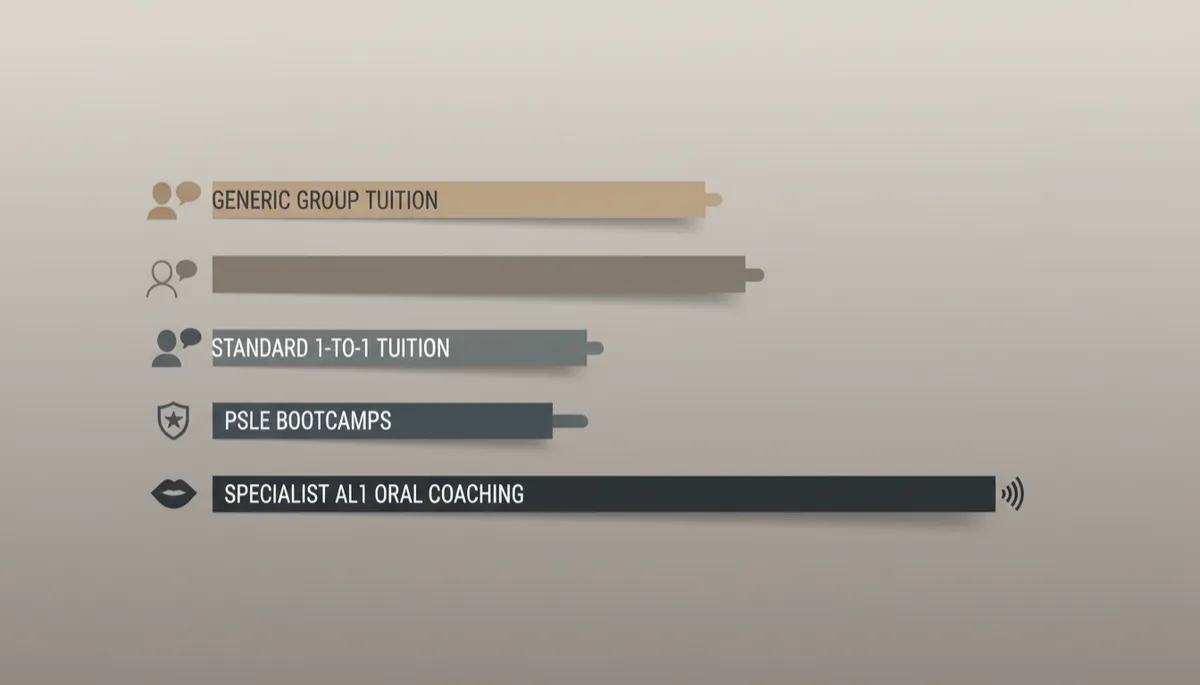
Specialist PSLE oral tuition costs more per hour but targets the exact exam skill.
Real Parent Transformations: Beyond Just “More Tuition”
Across different providers, a clear pattern emerges in 2026 testimonials. Parents are not just paying for “more lessons”—they’re seeing deep changes in how their children speak and carry themselves:
- A parent from Discovering Potential shared that her son’s stimulus‑based conversation score jumped by two grades after targeted oral coaching; he even asked to return for more sessions after the first lesson because he felt the difference in clarity and structure.
- At A for Oral Masterclass, parents reported their children coming home excited to practise reading aloud, with specific feedback they could apply immediately in school discussions.
- Zespa Learning’s PSLE oral intensive saw students improving from AL3/4 to AL1, with parents highlighting how their children finally understood what examiners were really looking for in oral answers.
When you combine expert coaching with consistent practice—whether through 1‑on‑1 sessions, focused small groups, or AI‑assisted self‑study—the result is the same: a child who walks into the PSLE oral room prepared, not panicked.
So, Is PSLE Oral Coaching Worth It for Your Child?
Only you can decide what is right for your family. But if your child tends to give one‑line answers, struggles to express opinions, or becomes nervous speaking to adults, then specialised PSLE oral tuition can be one of the highest‑impact investments you make in their PSLE year.
- If timing is your concern: Starting in P5 or early P6 gives your child the breathing space to build real confidence before EOY and prelim pressure hits.
- If Masterclass slots are full: Advantage (1‑on‑1) and Focus (small‑group) programmes still deliver the core AL1 skills—often with even more flexibility and personalisation.
- If price is your worry: Look beyond the headline number to the cost per focused hour, the depth of the AL1 framework, and the long‑term impact on your child’s confidence and secondary school options.
Your Next Step: Give Your Child a Calm, Confident PSLE Oral Experience
If you’ve read this far, you’re clearly a parent who cares deeply about your child’s future—and about making wise, informed decisions. The truth is, there will never be a “perfect” time. School will always be busy. Life will always be full. But your child only sits for the PSLE English oral exam once.
Instead of waiting for another term or another year, consider this your invitation to take a gentle, decisive step forward. Speak with a trusted PSLE oral specialist Singapore today, ask your remaining questions, and secure:
- A confirmed slot in an Advantage (1‑on‑1) or Focus (group) programme, or
- A place on the official Masterclass waitlist so you don’t miss last‑minute openings.
With the right guidance, consistent practice, and a clear AL1 roadmap, your child’s voice can become their strongest asset in the PSLE—not their weakest link.
